Advancing User Protection in Austrian Digital Casinos by Merging Poker Hand Histories with Banking Security Protocols
Clara Zimmermann · Sep 28, 2026
Advancing User Protection in Austrian Digital Casinos by Merging Poker Hand Histories with Banking Security Protocols
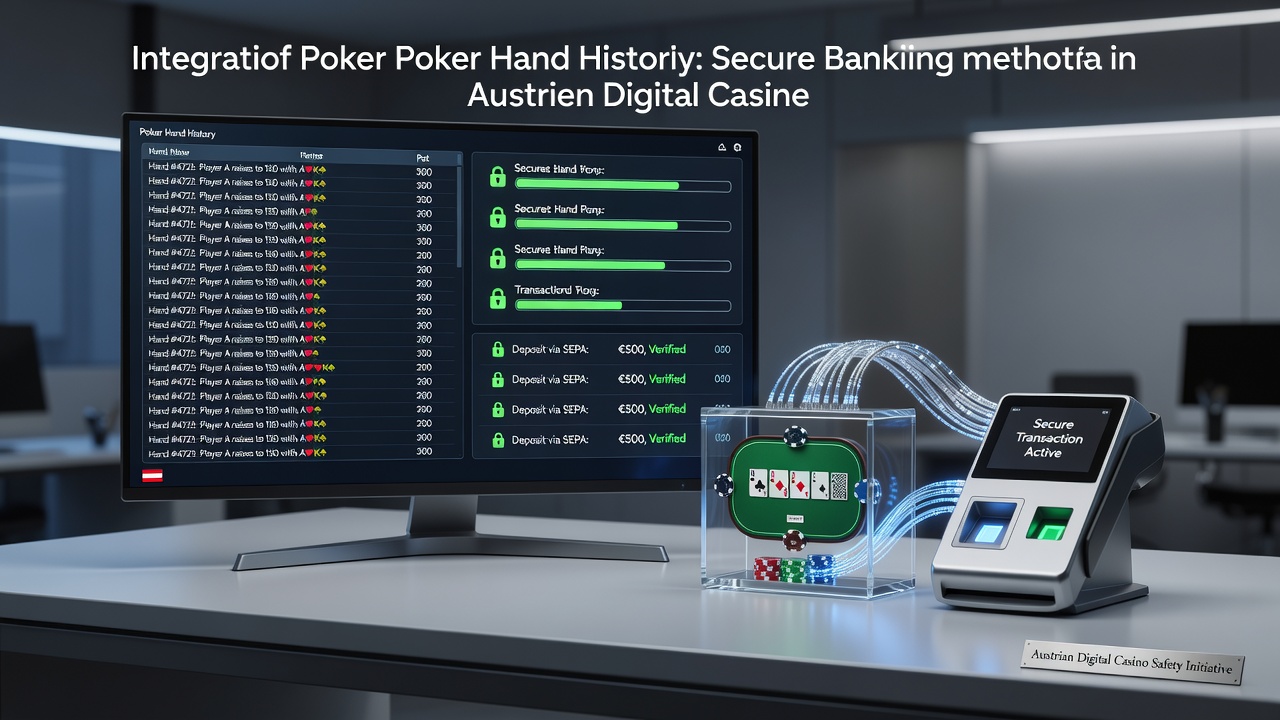
Digital casinos operating within Austria have started combining detailed poker hand records with advanced banking verification systems to strengthen player safeguards, and this approach draws on transaction monitoring alongside behavioral data from gameplay sessions. Operators track sequences of hands played over time, which reveals patterns such as extended sessions or rapid betting changes, while secure banking methods verify account details and apply spending controls in real time.
Poker Hand Histories as Safety Indicators
Hand histories provide structured logs of every decision made during poker rounds, including bet sizes, fold frequencies, and session durations, so platforms can cross-reference these against predefined risk thresholds without accessing personal financial details directly. Data shows that such records help identify prolonged activity that might signal the need for intervention, and integration with banking channels allows automatic pauses on deposits once those thresholds are reached. According to research from the Australian Gambling Research Centre, similar data fusion methods have reduced unauthorized transaction attempts by linking gameplay metrics to payment authorizations in regulated markets.
Secure Banking Methods in the Austrian Context
Austrian digital platforms rely on encrypted payment gateways that require multi-factor authentication and real-time identity checks through national banking networks, which prevents mismatched accounts from processing funds. These systems connect to poker databases so that unusual hand patterns, like sudden increases in all-in bets across multiple tables, trigger additional verification steps before any withdrawal or deposit completes. Observers note that this linkage creates a closed loop where banking protocols receive alerts from hand analysis engines, enabling quicker responses to potential issues.
Technical Integration Approaches
Developers implement APIs that pull anonymized hand history segments into banking compliance modules, and these connections operate through standardized data formats that maintain player privacy while flagging deviations. For instance, a sequence showing repeated high-stakes raises within short intervals can prompt the banking layer to enforce temporary limits, and this happens without exposing full financial records to gaming software. One study from the National Center for Responsible Gaming in the United States found that platforms using combined datasets achieved higher compliance rates during routine audits conducted in European jurisdictions.
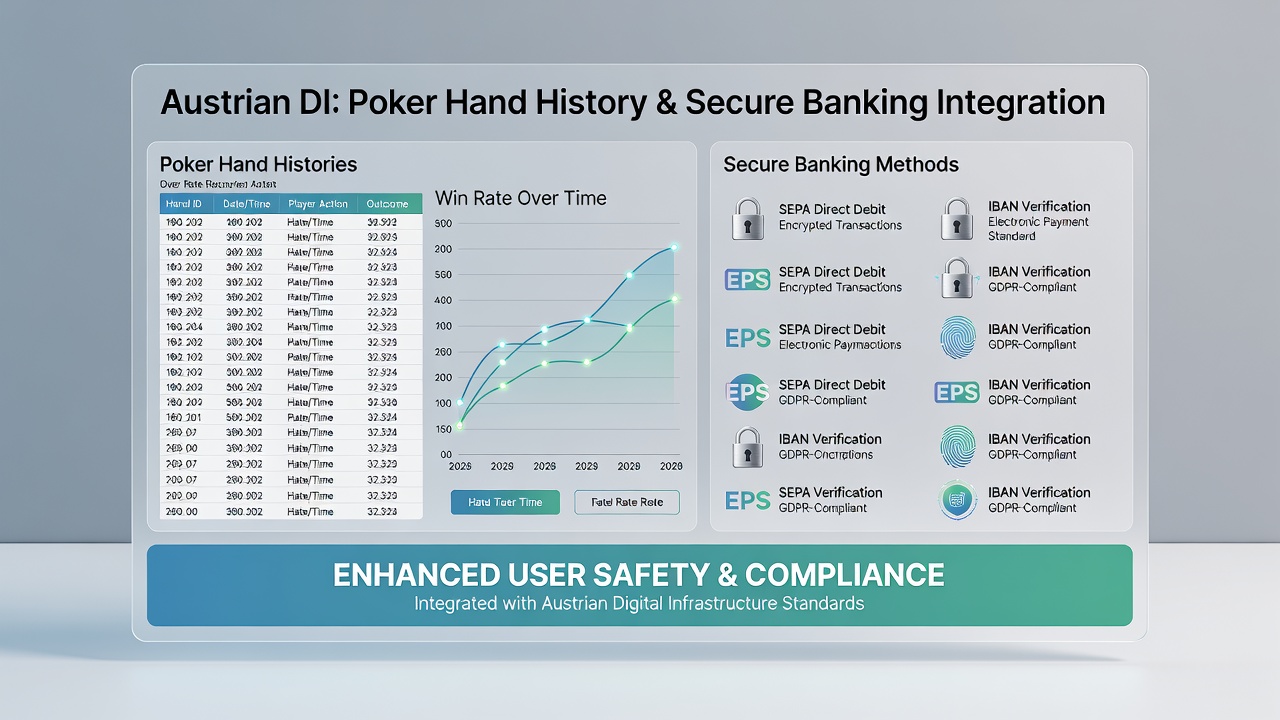
Encryption standards such as TLS 1.3 protect the data exchange between these systems, and regular third-party reviews ensure that hand history algorithms do not overreach into unrelated user information. Austrian operators have aligned these practices with EU-wide data protection rules, which require explicit consent for any cross-system data sharing.
Regulatory Developments and September 2026 Updates
By September 2026, updated guidelines from Austrian authorities are expected to formalize requirements for real-time data sharing between gaming logs and financial processors, building on existing frameworks that already mandate session tracking in licensed environments. These changes aim to standardize how hand histories inform banking decisions across all platforms, and industry reports indicate that early adopters have seen smoother approval processes during licensing renewals. What's interesting is how these protocols also incorporate fallback mechanisms, such as manual review queues, when automated flags arise from complex multi-table poker scenarios.
Practical Examples from Operational Platforms
Take one Austrian-licensed site that integrated its poker client directly with a local bank API, where hand history exports feed into daily reconciliation reports, and this setup caught several instances of mismatched user credentials before funds moved. Another case involved a platform that used aggregated session data from poker tournaments to adjust withdrawal velocity limits, resulting in fewer disputes over transaction delays. People who've examined these implementations often discover that the key lies in keeping the two data streams separate yet synchronized through neutral middleware layers.
Conclusion
The combination of poker hand histories and secure banking methods continues to evolve within Austrian digital casinos, driven by technical capabilities and regulatory alignment that prioritize verifiable safety measures. As these integrations mature, they provide structured ways to monitor activity while respecting established privacy boundaries, and ongoing refinements will likely focus on faster processing speeds and broader compatibility with emerging payment types.