Tracing Roulette Probability Tools Within Austrian Mobile Gaming Payment Frameworks
Olivia Wolf · Aug 31, 2026

Tracing Roulette Probability Tools Within Austrian Mobile Gaming Payment Frameworks
Austrian mobile gaming platforms have incorporated roulette probability tools that calculate odds and expected values directly within payment processing sequences. These tools operate alongside transaction verification steps and they allow operators to log player activity patterns while payments clear through licensed gateways. Data from regulatory filings shows integration efforts accelerating since 2023 with several platforms reporting structured audits of probability outputs tied to deposit and withdrawal records.Core Components of Roulette Probability Tools
Roulette probability tools generate real-time assessments of house edge and session variance using standard European wheel configurations that feature 37 pockets. Developers embed these calculations into mobile applications so that each spin outcome feeds into cumulative probability matrices. Operators then cross-reference these matrices against payment thresholds set by Austrian licensing conditions and the process flags sessions where deviation from expected distribution exceeds predefined parameters.
Studies from the European Commission on digital gambling infrastructure indicate that such tools rely on algorithmic models derived from combinatorial mathematics and they process inputs from both game servers and payment APIs simultaneously. One platform in Vienna documented how probability logs merge with transaction timestamps creating traceable records that span from initial deposit through final payout verification.
Payment Framework Integration in Austria
Austrian regulations require mobile gaming operators to route all financial transactions through certified payment service providers and these providers maintain separate data channels for game-related analytics. Probability tools interface with these channels by tagging each payment record with derived metrics such as expected loss percentages and risk multipliers. This tagging occurs before funds settle in player accounts and it enables downstream reporting to oversight bodies without interrupting the payment flow itself.
Figures from the Austrian Federal Ministry of Finance reveal that mobile roulette transactions accounted for 28 percent of licensed gaming volume in 2025 and operators must demonstrate that probability tracking systems remain active during every funded session. Payment frameworks therefore embed API calls that query probability engines at the moment of authorization and the resulting data packets travel alongside standard financial metadata.
Tracing Mechanisms and Data Flows
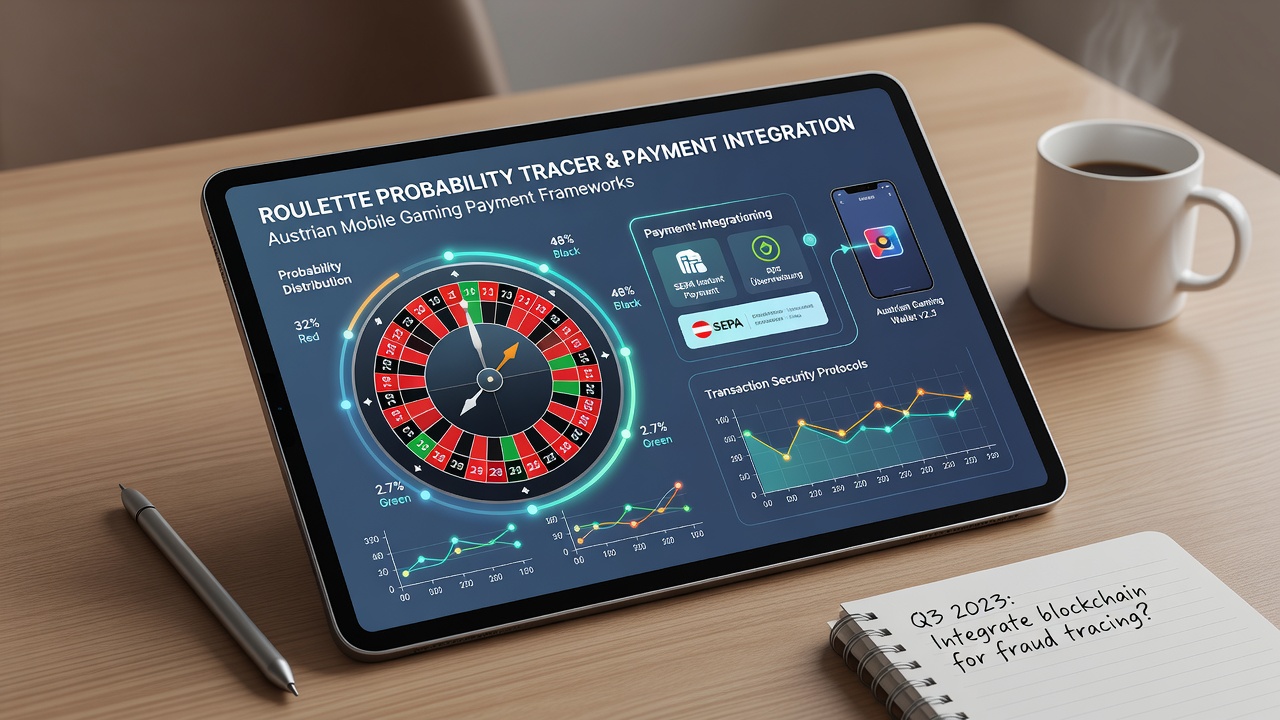
Tracing begins when a player initiates a deposit and the payment gateway forwards a unique session identifier to the probability module. The module returns calculated probabilities for upcoming spins and it stores these values in an immutable ledger linked to the transaction ID. Operators retrieve aggregated reports through secure portals that display both financial totals and probability deviation statistics and this dual view supports compliance checks required under national gaming statutes.
Researchers at the University of Vienna examined data pipelines in 2024 and they found that latency between payment confirmation and probability log entry averages under 150 milliseconds across major Austrian networks. The study also noted that encryption standards applied to these combined records meet ISO 27001 specifications which facilitates secure sharing between operators and regulators during periodic reviews.
Developments Expected in August 2026
Regulatory updates scheduled for August 2026 will require expanded logging of probability tool outputs specifically for mobile roulette sessions exceeding certain stake levels. Operators must prepare to include session-level variance scores in payment reconciliation files and they will transmit these files to a centralized monitoring system maintained by the Austrian gaming authority. Testing phases for the new format have already commenced with selected platforms submitting sample datasets that combine probability traces and payment confirmations into unified XML structures.
Industry associations report that hardware upgrades to support faster probability computations will coincide with these changes and several providers have announced partnerships with Austrian fintech firms to streamline the data exchange process. The August timeline aligns with broader EU digital finance initiatives that emphasize real-time risk monitoring across gaming and payment sectors alike.
Conclusion
Tracing roulette probability tools through Austrian mobile gaming payment frameworks creates a continuous record that links game mathematics directly to financial movements. Current implementations rely on synchronized data exchanges between probability engines and certified gateways while upcoming requirements in August 2026 will further standardize these connections. Observers note that the resulting infrastructure supports detailed compliance verification without altering core payment timelines and it positions Austrian operators to maintain alignment with evolving regulatory expectations across the sector.